


 Deutsch
 English
 Español
 Français
 Nederlands
 Português


 Share
Share




What Happened in Ceuta in July 2026?
Spanish Prime Minister Pedro Sánchez told parliament on Thursday there is no hard evidence that Morocco orchestrated the deadly Ceuta crisis that saw around 70,000 migrants rush the Spanish exclave's border in late July. The statement came a day after mass demonstrations across Spain over the worsening humanitarian situation in Ceuta.
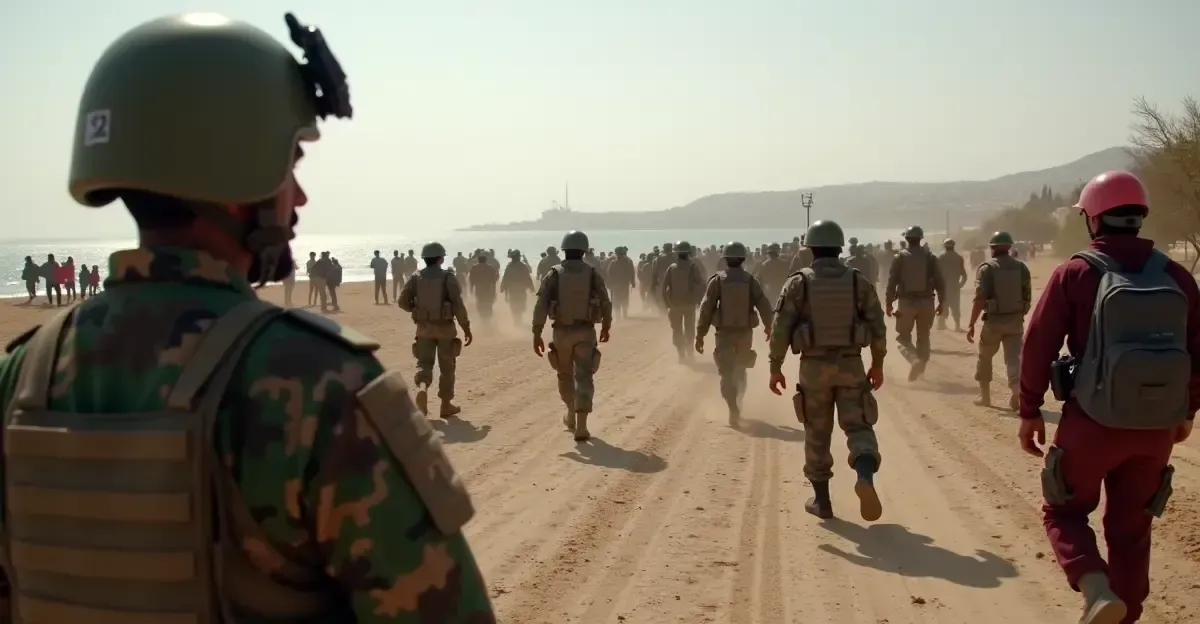
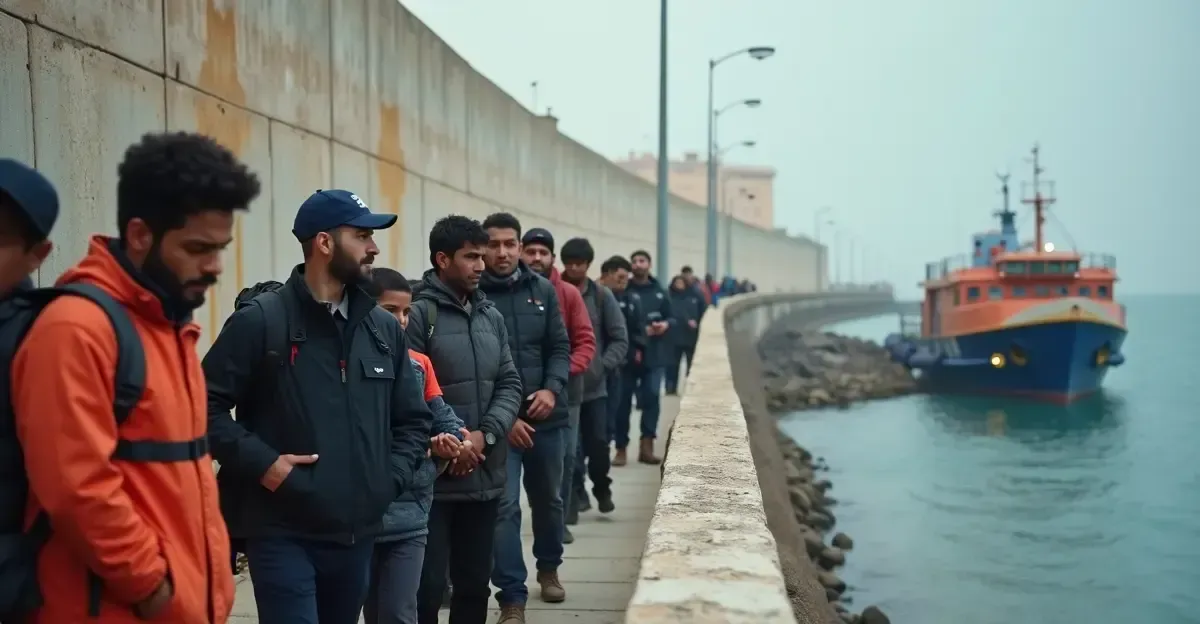
Between 30 July and early August, an estimated 70,000 people, mostly young men, crossed from Morocco into Ceuta by swimming around breakwaters at Tarajal and Benzú or walking the shoreline. At least 82 people died, largely by drowning, according to Spanish authorities. Most migrants returned to Morocco the same day, but thousands remained, many living in dire conditions. A leaked report from Spain's National Centre for Immigration and Border Control (CENIF) suggested Moroccan agents in uniform and civilian clothes may have actively directed crowds toward specific crossings and assisted people crossing by water. Satellite images also showed little Moroccan border surveillance at the time of the rush.
The police report, seen by El País, pointed to social media as a trigger: users encouraged each other to cross. It also noted that a Spanish Supreme Court ruling in early July – which said migrants reaching Ceuta by swimming or boat cannot be returned without a procedure – was misinterpreted by migrants as an open-door signal.
This is not the first time Ceuta migrant crisis has strained Madrid-Rabat relations. In 2021, Morocco temporarily relaxed border controls in a similar incident.
What Did Sánchez Say About Morocco's Role?
Addressing the Spanish parliament, Sánchez pushed back against the leaked police report and blamed no single institution.
"I can assure you that no institution – neither the diplomatic service, nor the European Commission, nor any international body – has provided the Spanish government with any hard evidence that Morocco planned or executed the incident. Nothing at all," Sánchez said.
He stressed that despite the CENIF report's conclusions, no hard proof has been delivered. The prime minister also summoned Morocco's ambassador after two Moroccan ministers made what he called "unacceptable" statements, including Justice Minister Abdellatif Ouahbi repeating Morocco's claim to Ceuta and Melilla.
Meanwhile, opposition parties and demonstrators have demanded accountability, while thousands of migrants remain in Ceuta under deteriorating conditions. The pressure is mounting on Sánchez's government as it navigates the fallout from the Spain-Morocco border tensions.
Why Ceuta and Melilla Matter
Ceuta and Melilla are Spanish autonomous cities on Morocco's northern coast, forming the EU's only external land borders in Africa. Morocco claims sovereignty over both, while Spain insists they have been Spanish since the 15th century. This dispute makes the enclaves recurring flashpoints for migration and diplomatic friction.
- Ceuta: population about 85,000, key Mediterranean port
- Melilla: population about 86,000, located 400 km east
- Both are outside the Schengen customs area, with border checks on exit
Sánchez said the enclaves need a visit from Spain's head of state "after about twenty years without one" and called on King Felipe VI to travel there "in the coming weeks."
What Happens Next?
The Spanish government has asked Frontex, the EU border agency, for help screening migrants, but deportations without individual asylum reviews remain barred by international law. Transporting migrants to the mainland has been ruled out, with officials wary of a right-wing backlash. The ongoing crisis is likely to dominate Spanish politics in the coming weeks as EU migration policy comes under fresh scrutiny.
Frequently Asked Questions
Was Morocco behind the Ceuta stampede?
Sánchez says there is no hard evidence that Morocco planned or executed the July 2026 incident, despite a leaked police report suggesting Moroccan agents may have facilitated crossings.
How many migrants crossed into Ceuta in July 2026?
Around 70,000 people crossed from Morocco into Ceuta between late July and early August, with at least 82 deaths reported, mainly by drowning.
Why did so many migrants return to Morocco?
Most migrants returned voluntarily the same day, partly due to Moroccan and Spanish pressure and limited reception capacity in Ceuta. Thousands, largely from sub-Saharan Africa, stayed behind.
What is the status of Ceuta and Melilla?
They are Spanish autonomous cities on Africa's Mediterranean coast. Morocco claims sovereignty, but Spain and the EU consider them integral Spanish territory.


Follow Discussion